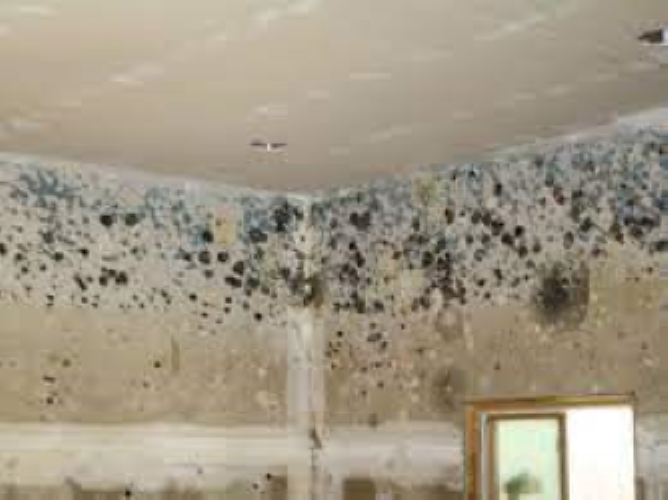
Mold swab testing, or surface testing, is a simple way to obtain a sample of a “mold-like substance” – a substance which is suspected of being mold – for testing.
There are plenty of good reasons for the “see it, swab it” mentality during a home inspection, but less known are the actual professional considerations which can affect your real estate transaction negatively.
Only an experienced mold professional can tell you whether or not there is the presence of mold in a home and only after testing. The common home inspector, your realtor, your lawyer, and your professionally inclined friends are not qualified to make that statement.
This is important to note because, to them and to you, this is simply a “mold like substance.” It is only after testing by a specialist that the suspected mold can be confirmed and then remediated as the environmental and safety issue that it is.
Mold is an important environmental and safety hazard to get a handle on before moving in. Because of the vast number of species involved in in-home mold scenarios, there is always a mold that a person will react badly to.
There are some molds, such as the dreaded black mold, which most people will have some respiratory reaction to. With the cost of standard remediation being in the thousands, it’s important to know what you’re walking into with your new home.
Surface swabs for mold testing are easily integrated into the home inspection process. The standards of practice in a home inspection are to make note of visible, observable, and accessible defects in a home, including suspected mold.
Symptoms of mold exposure may include nasal congestion; sinusitis; rhinorrhea, eye irritation; respiratory difficulties, such as wheezing, chest pain, cough, and persistent sneezing; throat irritation; skin irritation, such as a rash; and headache.
Immunocompromised people and people with chronic lung illnesses, such as obstructive lung disease, may get serious infections in their lungs when they are exposed to mold.
These people should stay away from areas that are likely to have mold, such as compost piles, cut grass, and wooded areas.
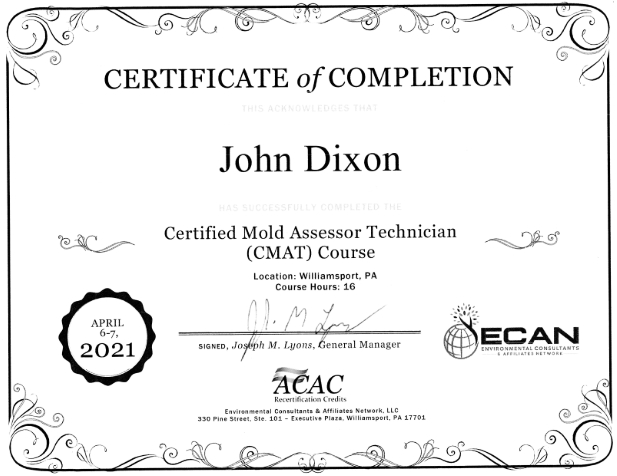
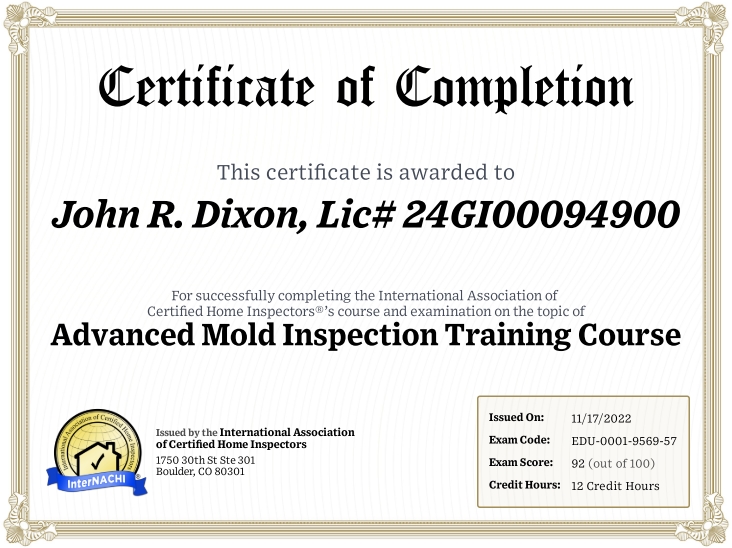
At Eagle Eye Home Inspectors, we are trained and accredited in mold testing and have the ability to take samples on site during your home inspection.
When we see it, we can swab it.
What are people saying about
Eagle Eye Home Inspectors?
Click to Find Out !!
What is Mold?
Mold (American English) or mould (British English), also sometimes referred to as mildew, is a fungal growth that develops on wet materials.
Mold is a natural part of the environment and plays an important part in nature by breaking down dead organic matter such as fallen leaves and dead trees; indoors, mold growth should be avoided.
Mold reproduce by means of tiny spores. The spores are like seeds, but invisible to the naked eye, that float through the air and deposit on surfaces.
When the temperature, moisture, and available nutrient conditions are correct, the spores can form into new mold colonies where they are deposited.
There are many types of mold, but all require moisture and a food source for growth.
What are people saying about
Eagle Eye Home Inspectors?
Click to Find Out !!